Event Pass
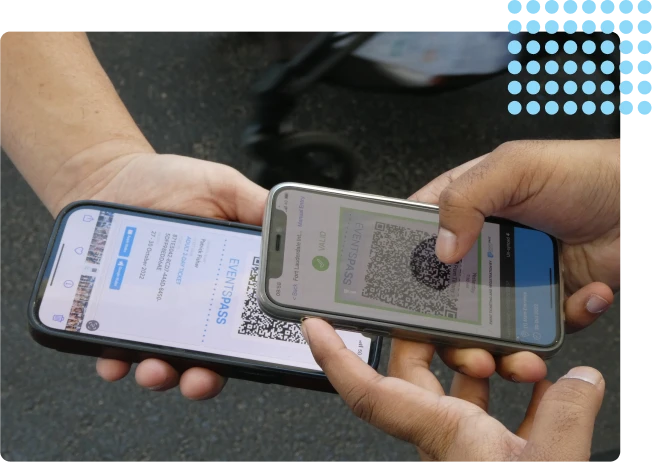
Our client for this project is a digital ticketing and event management service that enables event organizers to quickly launch complex ticketing and registration systems. The platform supports high-traffic live events and complex ticketing flows, which is why reliability and delivery speed are critical to business operations.
Client location
USA
Industry
Event Management
Duration
1+ Year
Team
11 Members
Project Goals & KPIs
At project kickoff, success was measured against the following delivery-focused KPIs:
Live-event system stability and uninterrupted ticketing flows
Time-to-market for new features and fixes
Reduction of manual operational and support effort
Infrastructure cost efficiency and scalability
Incident frequency, severity, and response time
Clear visibility for business stakeholders into the delivery progress
Challenge
When the cooperation began, the legacy platform of our client was obsolete and relied on AngularJS. As a result, maintenance and upgrades required a complete rebuild.
On the back-end, the large database size caused performance and maintenance challenges. The team’s priority was to stabilize the system and implement streamlined processes to enable more frequent and dependable releases. Aside from this, numerous processes were not automated. Report generation and data processing were previously handled manually by the development team. Four Ages integrated them directly into the platform, eliminating the need for manual intervention.
In addition to these technical issues, the platform faced core business challenges:
Releases were frozen for 2–3 months,
Live-event reliability was unpredictable,
Infrastructure costs were high,
Both mobile apps were outdated.
Solution
To address the challenges, Four Ages implemented a comprehensive stabilization strategy.
Frontend Development
The existing AngularJS front-end restricted upgrade options. Our team decided to maintain the core while introducing new components in React where feasible. This hybrid approach allowed modernization to progress without rebuilding the solution completely.
Backend Development
The legacy back-end included heavy databases that required careful support and performance optimization. Our engineers aimed to maintain data integrity, improve query efficiency, and ensure reliable operation under load.
Agile Delivery & Process Improvements
We developed the new release strategy, which allowed updates every two to three weeks instead of the previous two to three-month cycle. We used Scrum for the purpose. Thus, no features are frozen for future cycles. Plus, automated workflows replaced manual reporting and support processes.
Mobile Apps
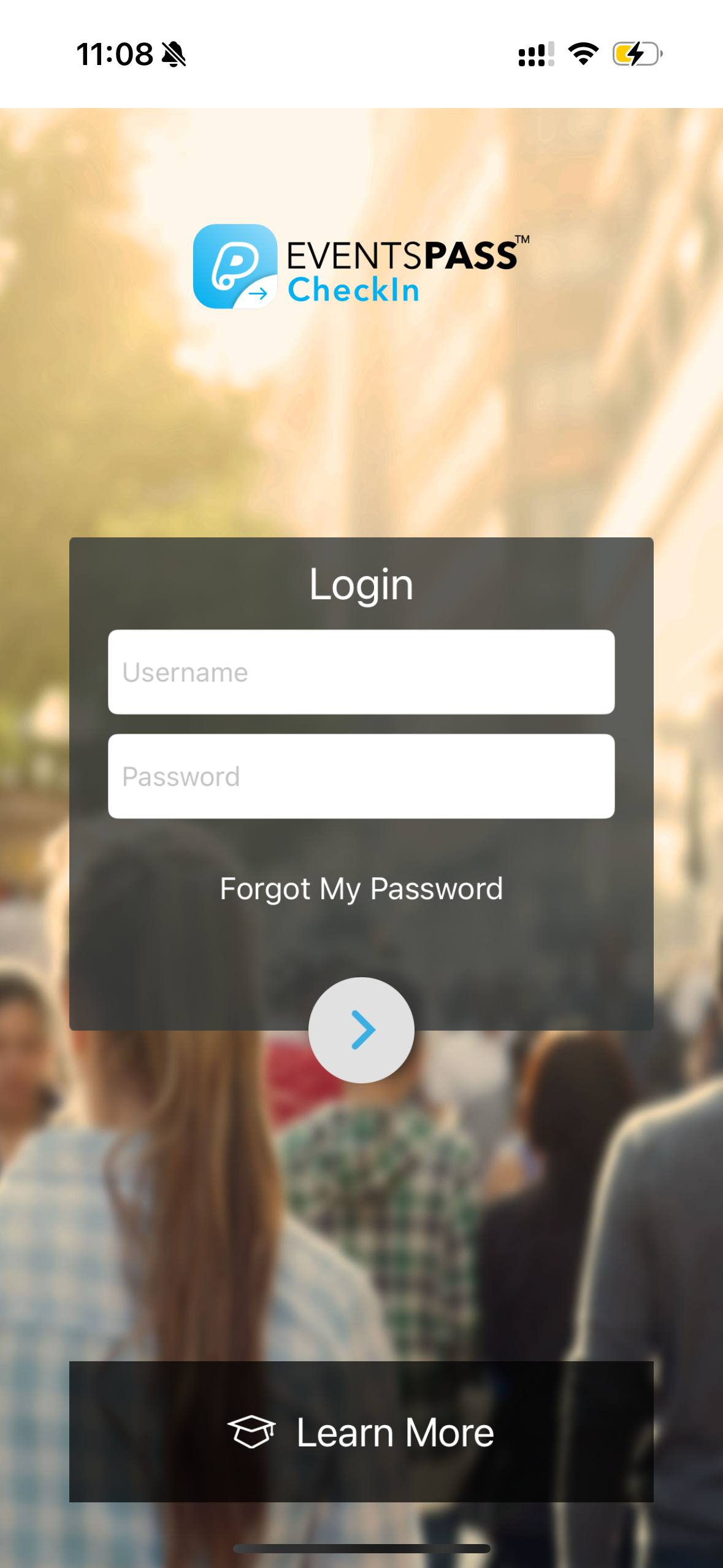
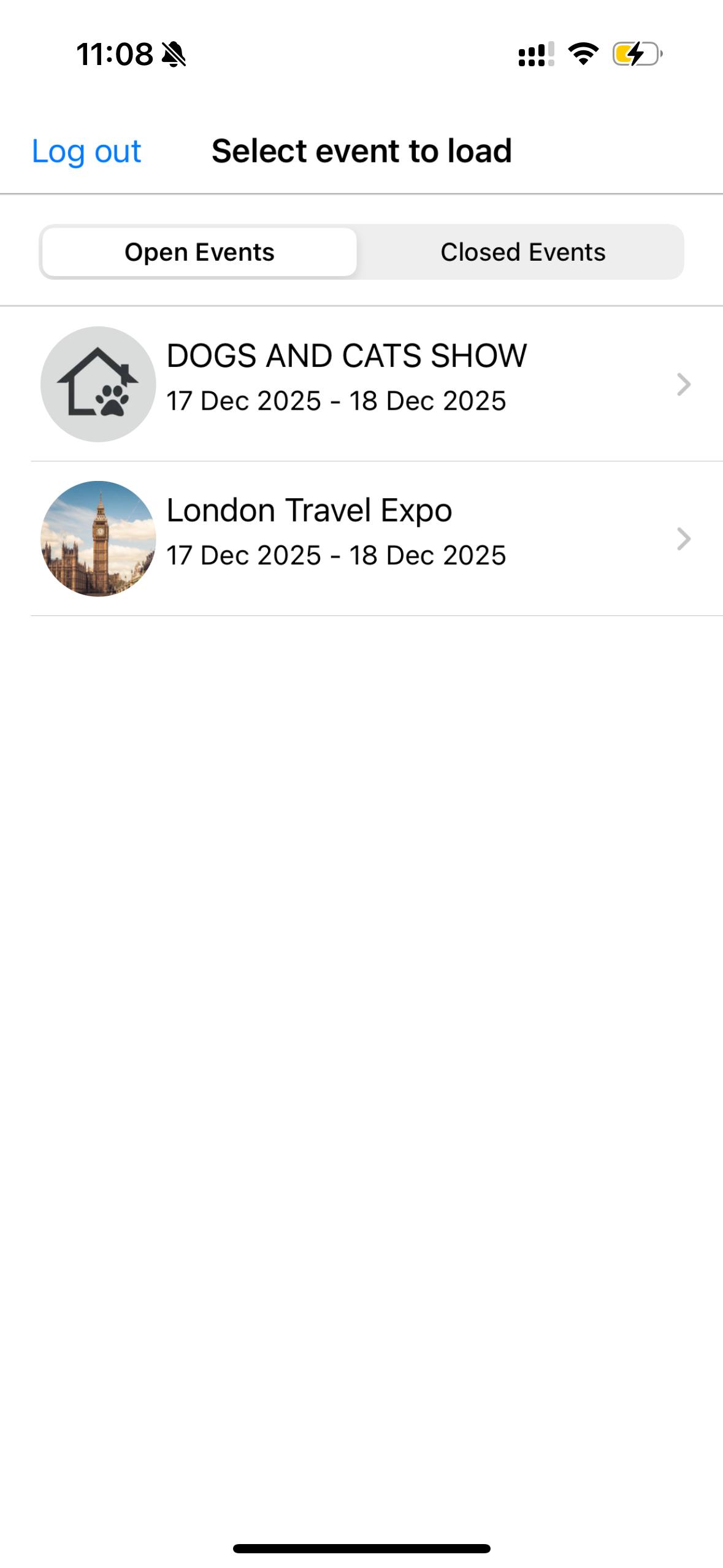
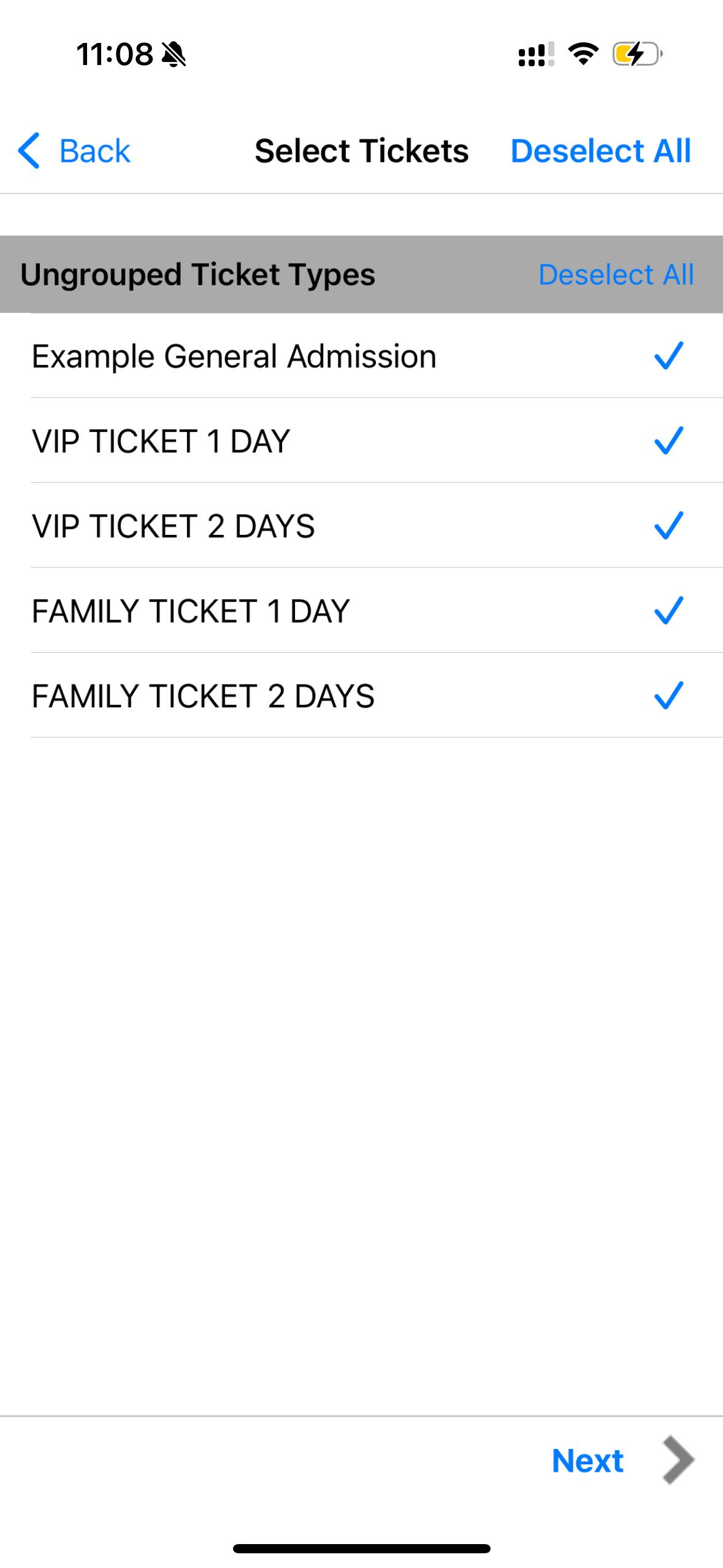
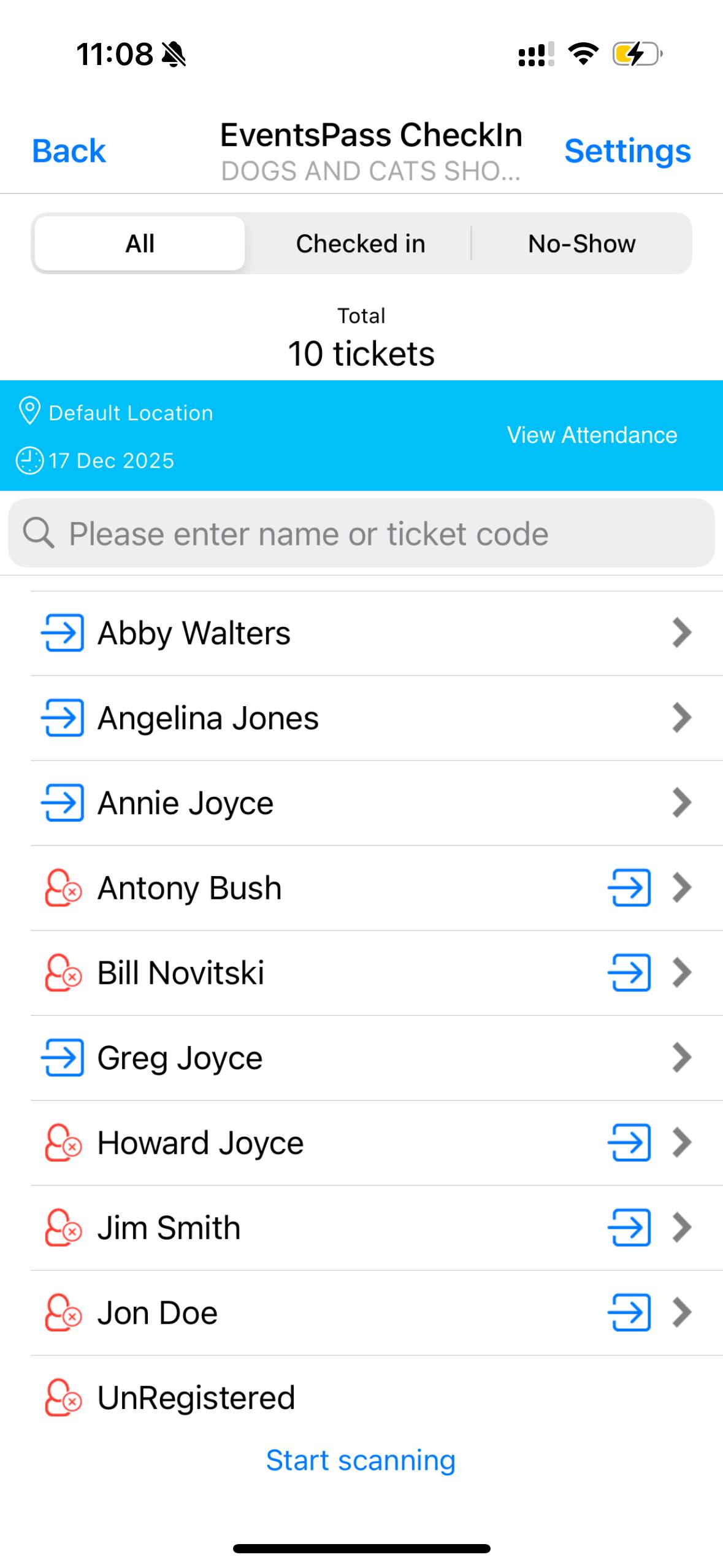
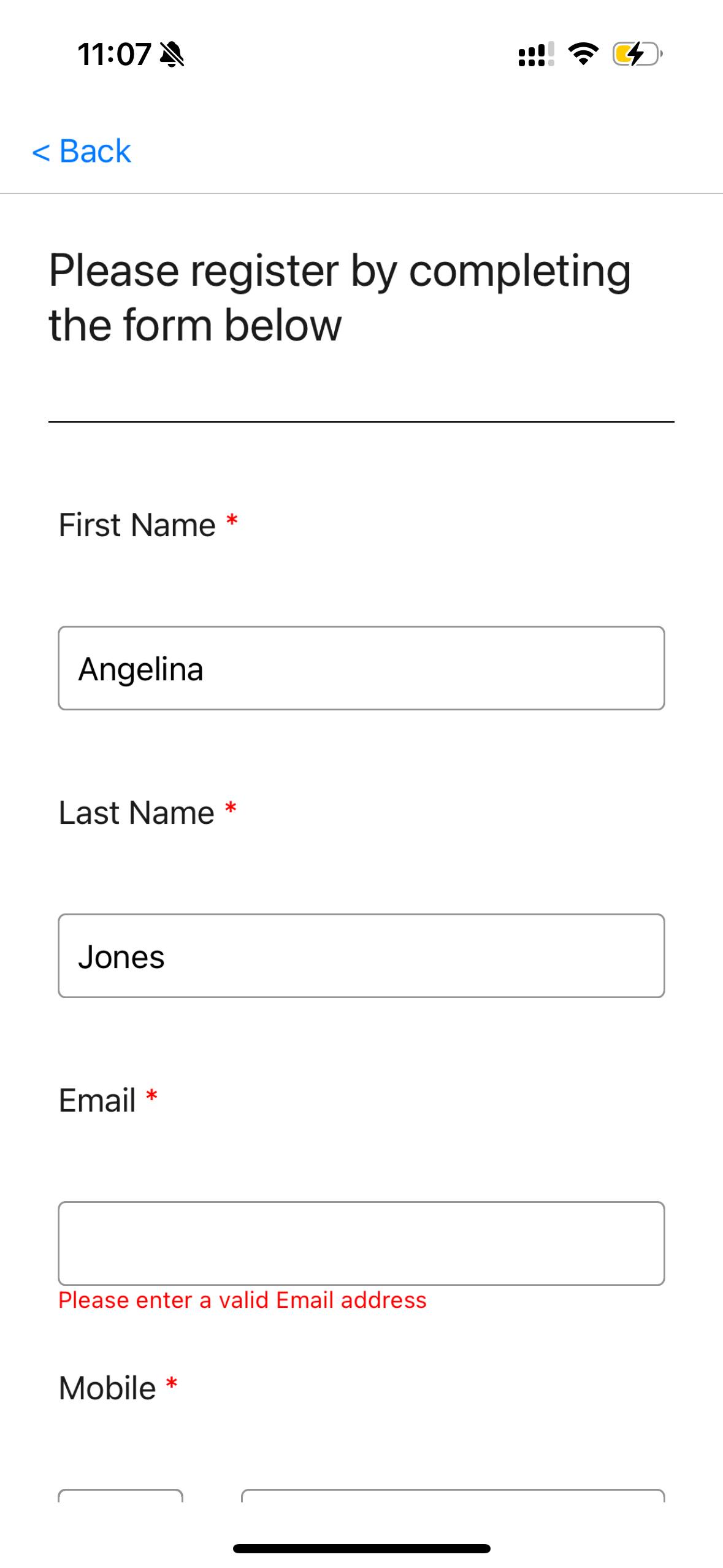
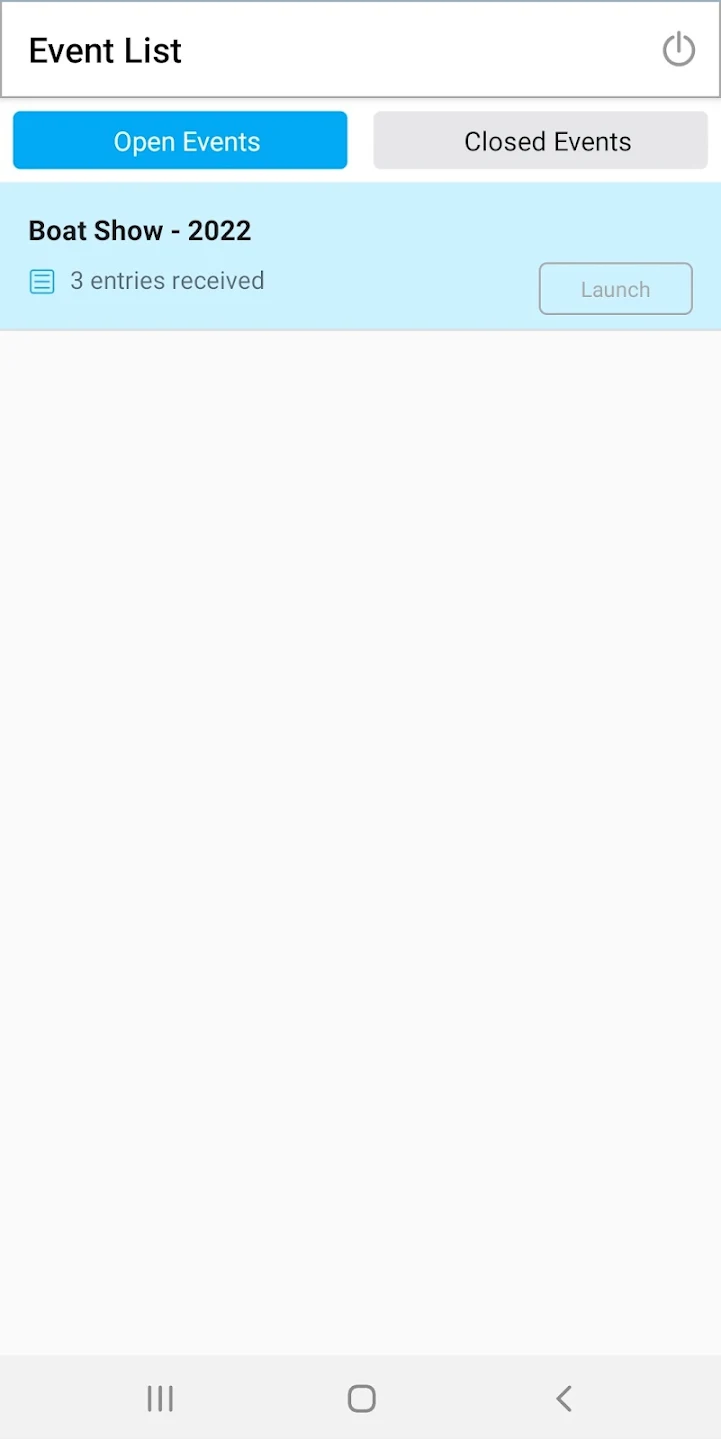
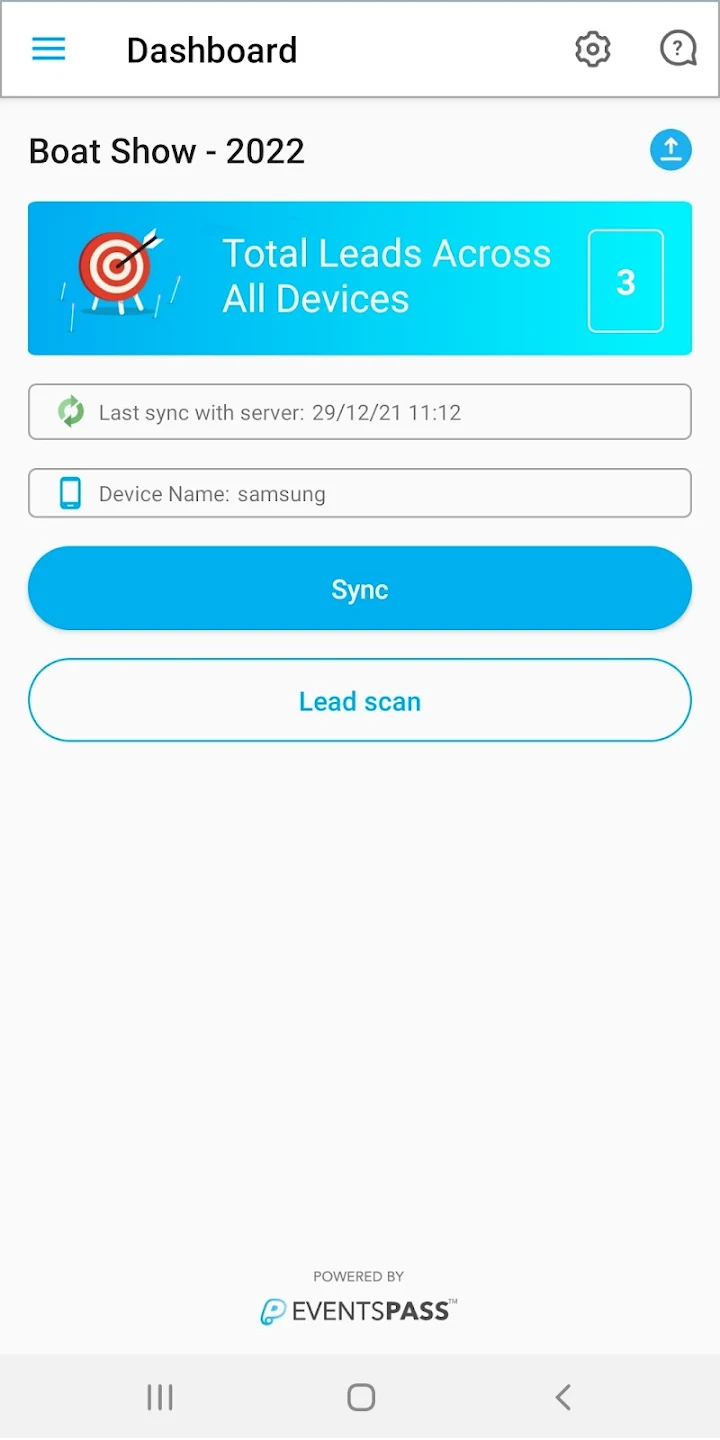
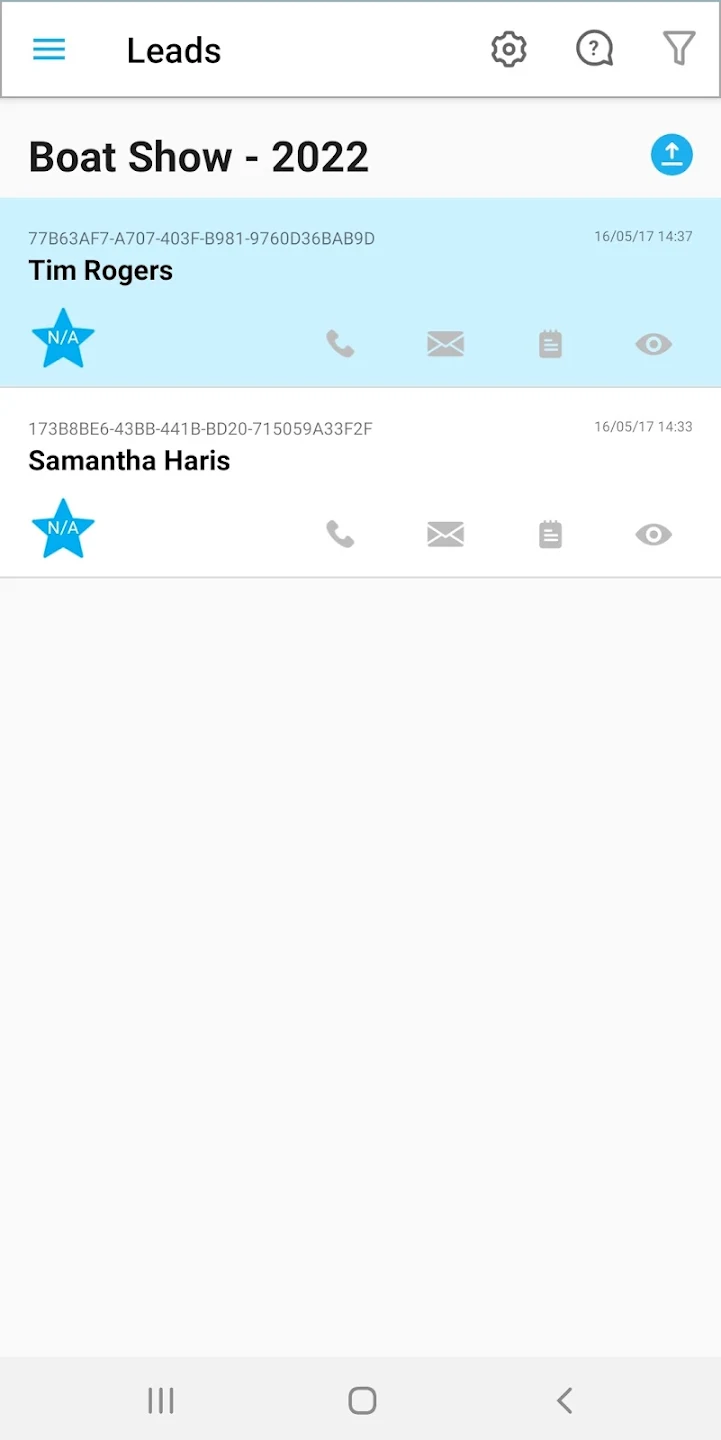
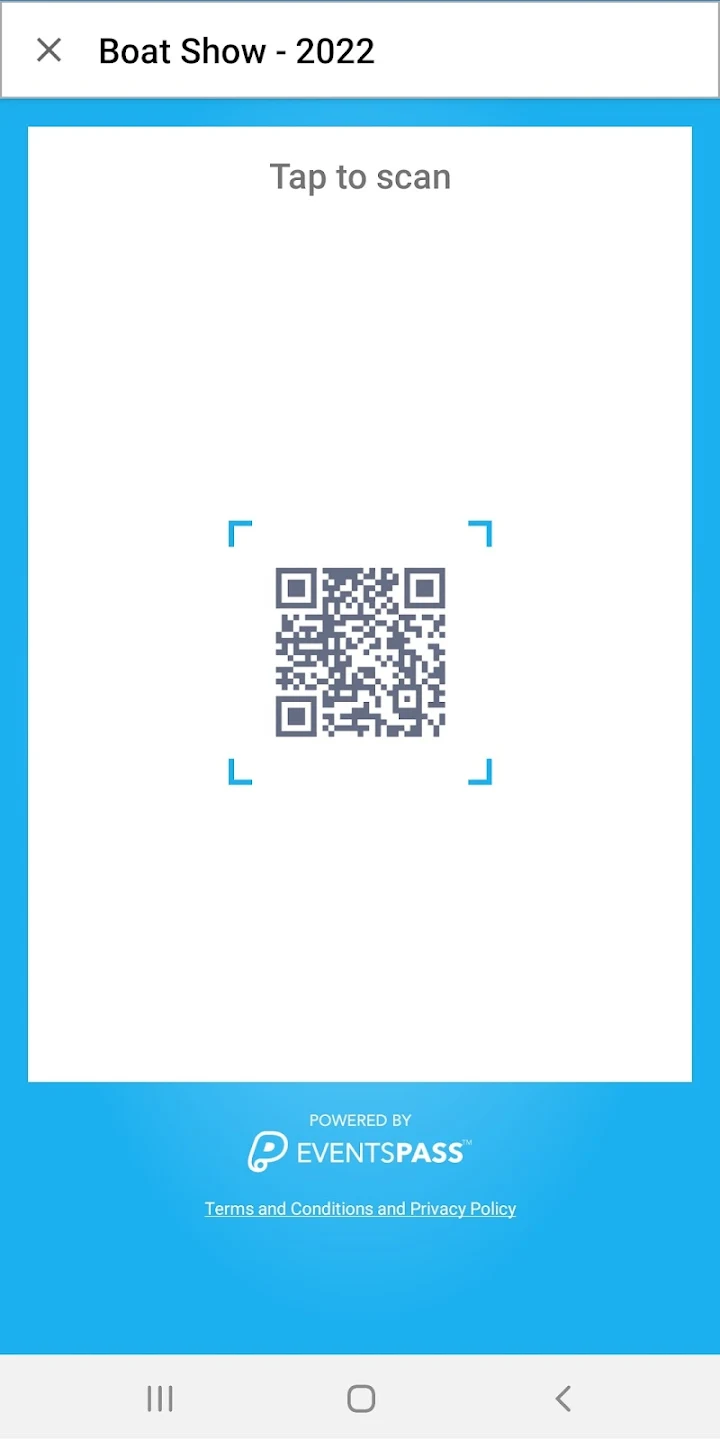
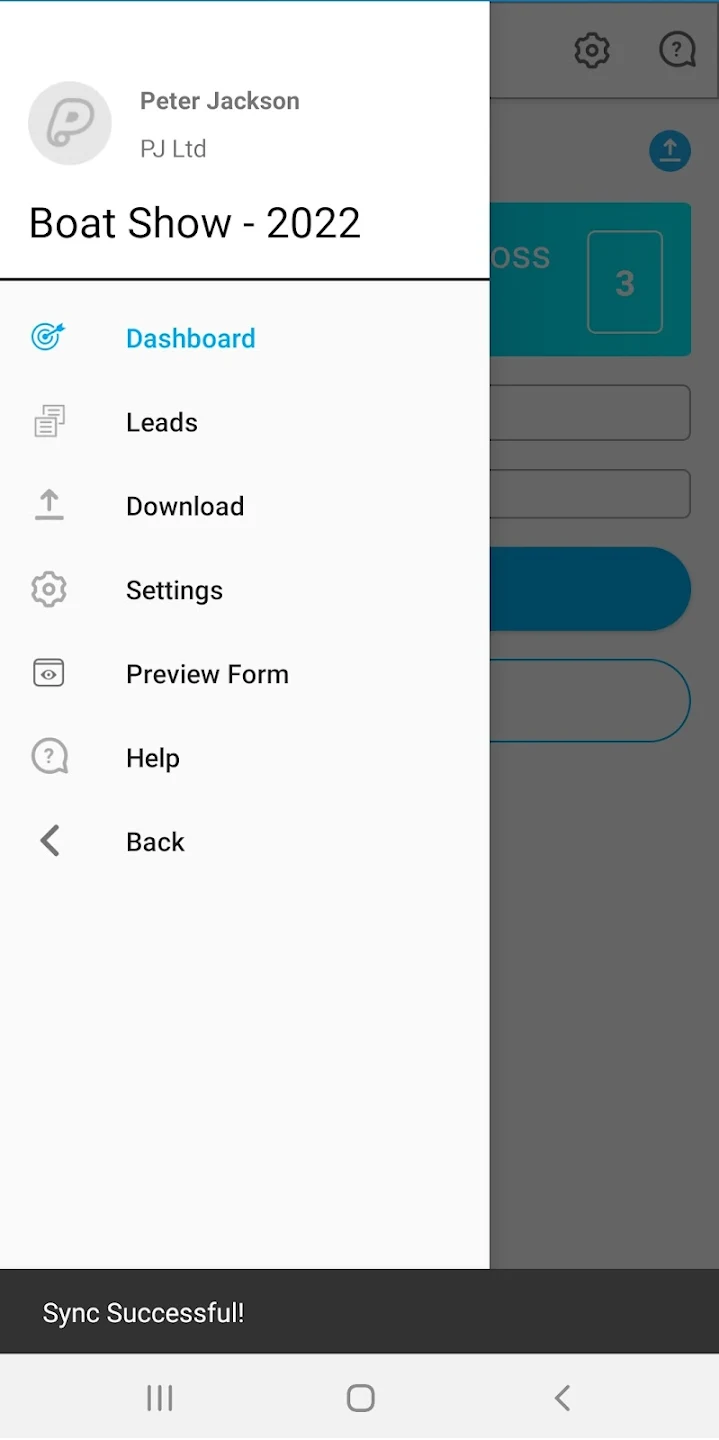
In terms of our work on the project, we also needed to completely rebuild one of the client’s mobile applications to make it cross-platform, contemporary, and more intuitive. We chose Flutter as the primary technology, which has allowed us to accelerate feature releases for mobile users.
Testing & QA
A robust multi-environment process was established. Features were first verified on a dev environment, then grouped into release batches for stage testing, followed by regression testing and smoke tests executed across the test environments and production. This structured approach, with transparent process tracking, minimized bugs and ensured smooth deployments while catching potential issues in production before they could impact users.
Cloud & Infrastructure
The platform is hosted on Azure, where the team applied infrastructure-as-code practices to manage and scale resources. This approach improved platform stability and enabled faster environment provisioning.
Impact
Key results following the stabilization and modernization project:
Delivery speed: up to 40% faster release and fix cycles
Infrastructure costs: 2.5× reduction
Manual support: 35% decrease
Release cadence: consistent bi-weekly updates (previously 2–3 months)
Live-event reliability: improved uptime and faster response to incidents
Consequently, we developed a platform that can now more consistently handle high-traffic events. To facilitate quicker, more reliable feature delivery, it was scaled up simultaneously.
Additionally, we managed to achieve the following business outcomes:
Approximately 20–30% savings on the technology budget
Reduced operational risk during live events
Acquisition of a new client for the upcoming calendar year
This shows that the project delivered both tangible cost savings and strategic business value, making the client more confident in scaling operations, supporting growth, and responding to high-demand events.
Responsibilities
Frontend Development
Backend Development
QA & Testing
Infrastructure Management
Hybrid Technology Integration
Technologies
.Net
Azure
AngularJS
React
Author:
Maria Roy